
Flexible Finance, Inc., together with its subsidiaries (“Flex”), is a financial technology company, not a bank. All loans, banking services, and payment transmissions are offered by Lead Bank or Column N.A., Member FDIC. Unsecured lines of credit for Flex Rent are provided for a recurring monthly membership fee up to $14.99; membership automatically renews until canceled. A bill payment fee of 1% of your total rent amount is also charged (an additional 2.5% processing fee applies when using a credit card). Term loans for Flex Move-in are provided at 16.95%-23.84% annual percentage rate (APR) based on state of residence, loan duration, and other relevant factors. A bill payment fee of 1% of your initial payment amount is also charged.
- Enhance your proficiency in Excel and automation tools to streamline financial planning processes.
- Fixed expenses are the easiest type of expense for which to prepare, because they come in at both a consistent interval and amount.
- After that, you have to estimate the annual cost of those expenses.
- Some periodic expenses happen at precise time intervals, such as one a year or every three months.
- This means that each individual payment might not hit the budget exactly the way you planned, but over time and multiple payments you’ll (hopefully) arrive at your estimate.
Best Ways To Prepare For Periodic Fixed Expenses with examples
There are many gently used cars that would last for many years and save you money on interest and even monthly payments. The 3 types of expenses most people need to budget for are fixed, variable, and periodic. You know how much it costs to renew your Sam’s Club membership, but you don’t know exactly how much you’ll spend on back to school clothes and supplies. Even though fixed expenses are consistent each month and might involve a contract, you can reduce your fixed expenses. When I was just starting out, I would spend first and ask questions later. I didn’t know there were 3 types of expenses in a budget and I didn’t care.
Enhanced capability for strategic planning
- When periodic expenses are properly forecasted and budgeted for, budgets become more accurate.
- Proper recognition of accrued and prepaid periodic costs ensures the financial statements reflect the economic reality of the reporting period.
- For example, dining out is a variable expense, but buying groceries and putting gas in your car are variable expenses too since you’re spending a different amount on them every month.
- Identify which expenses you would categorize as periodic fixed expenses from the examples above.
These are the hardest expenses to plan for and the ones most likely to take you by surprise. Periodic expenses include things like annual vehicle registration major car repairs and holiday gift giving. For things you know are going to come up at least once a year set aside a little bit each month to cover the cost. In the case of truly unexpected expenses such as a major car repair an emergency savings account can keep you from having to charge it to a credit card.

Adjusting Your Budget

Small businesses and self-employed professionals need to pay close attention to setting aside the right amounts throughout each quarter. Usually, you’ll need to perform some calculations if you’re going to budget for periodic expenses. First, you’ll need to account for all of the periodic expenses you’ll encounter. Usually, you can do this by reviewing your spending from the past year, though a bit of self-reflection may also be enough if you don’t have many. Budgeting for periodic expenses is often one of the hardest parts of creating a reliable petty cash financial plan for your household.
Reduce Your Insurance Premiums
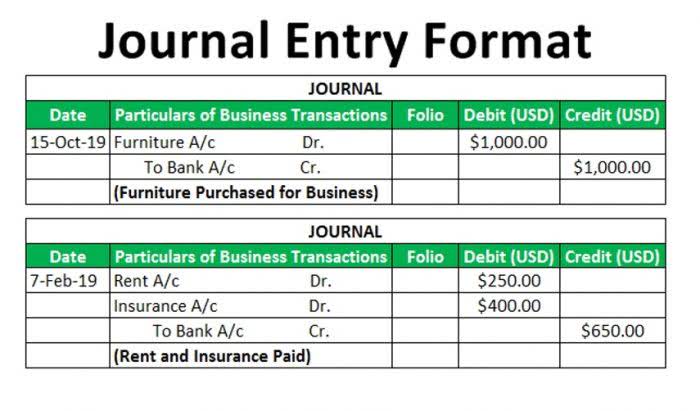
An annual insurance premium of $12,000 paid on January 1st, for example, is initially a non-cash asset because periodic expenses the business has a future right to services. This Prepaid Asset is then systematically recognized as a $1,000 Insurance Expense on the Income Statement each month over the course of the year. The formal accounting treatment of periodic expenses is governed by the Matching Principle.
Enterprise Expense Management: A Guide for Finance Teams
Gain a complete understanding of periodic expenses, https://dev-pix-n-light.pantheonsite.io/2021/04/23/difference-between-amortization-depreciation-2/ covering their role in budgeting, cash flow management, and crucial accounting principles. Ramp’s expense management software tackles this challenge head-on with intelligent spend tracking and real-time visibility. When you use Ramp, every transaction flows through a centralized platform that automatically categorizes expenses and flags unusual spending patterns.